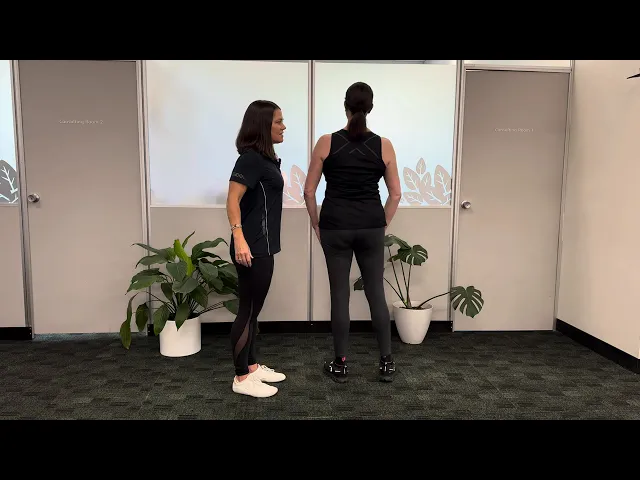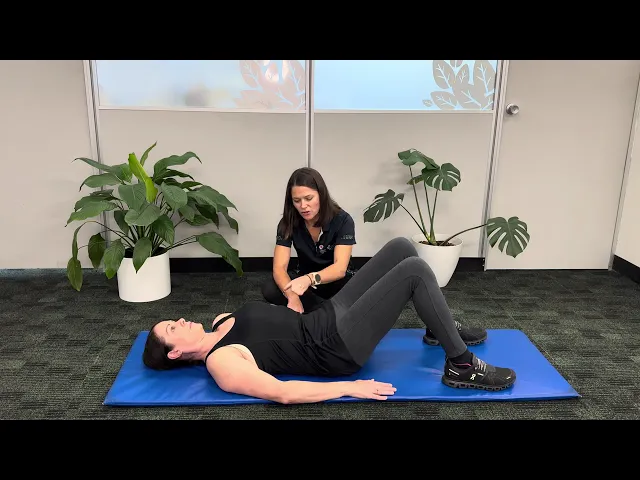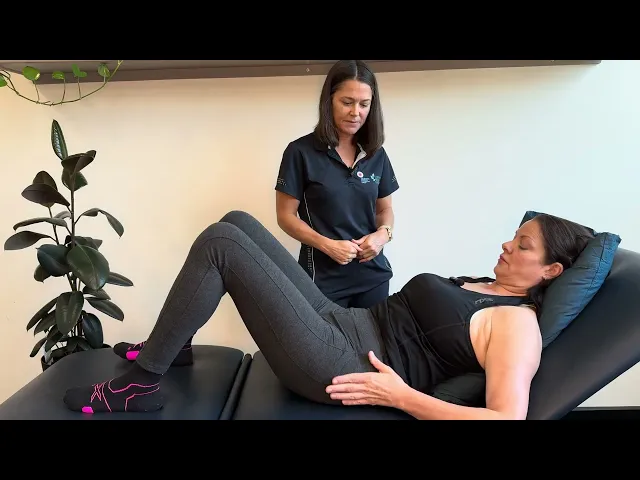
Prehabilitation (if time permits)
Preparing for DIEP Surgery
Prehabilitation is about preparing your body as well as possible before surgery. This may include improving your strength, mobility, fitness and confidence before your DIEP flap reconstruction.
We understand that not everyone has weeks or months to prepare, and that is okay. You may also have already been through cancer treatment such as chemotherapy, radiation therapy or hormone-suppressive treatment, which can leave you feeling fatigued, weaker or less fit than usual.
The aim is not to be perfectly fit before surgery, but to be as strong, mobile and physically prepared as possible within your own circumstances. Prehabilitation can be very beneficial, but it is not essential for a good recovery. Many women recover well without a formal exercise program before surgery. However, if you do have time before your operation, even small improvements in your strength, flexibility and aerobic fitness may help support your recovery.
Before surgery, we recommend focusing on:
Strength
Building strength through your abdominals, chest, upper back and postural muscles can help prepare your body for the physical demands of surgery and recovery.
Leg strength is also important to help you move around after surgery.
Flexibility & Mobility
Maintaining gentle mobility through your shoulders, chest, upper back, abdomen and lower back can help reduce stiffness and support your movement after surgery.
Aerobic Fitness
Improving your general fitness through walking, cycling or other appropriate aerobic exercise may help your body cope better during and after surgery.
For more information about exercising during cancer treatments such as chemotherapy, radiation therapy and hormone-suppressive therapy, please visit our Exercise and Cancer Knowledge Hub.
Health Professionals
We recommend seeing a lymphoedema therapist before surgery where possible. They can help prepare you physically and educate you on what to look for after surgery, including signs of fluid build-up, swelling or cording, and how these can be managed.
You may also benefit from seeing one of our Accredited Exercise Physiologist for an individualised prehabilitation program. This can help address your own concerns, current fitness level, treatment side effects, previous injuries, areas of weakness or stiffness, and any specific goals you would like to work towards before surgery.